
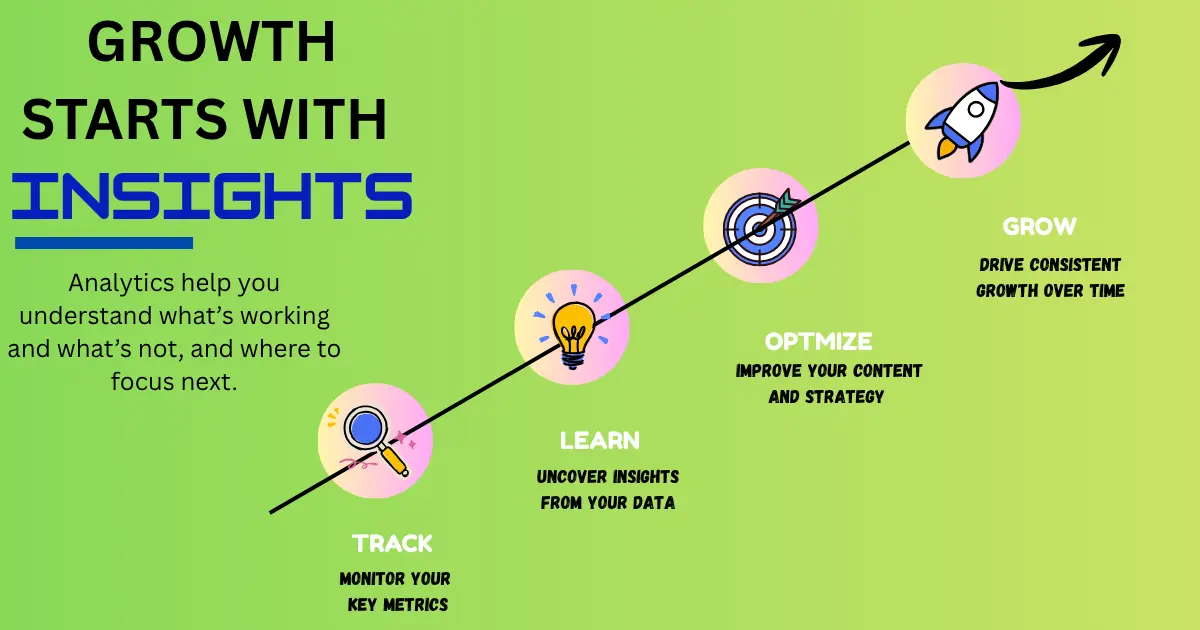
Social Media Analytics: A Complete GuideStarting out in digital marketing can feel exciting but also confusing. You post content, get likes, and see followers grow — but how do you know if your efforts are working? That’s where social media analytics comes in.
Analytics is simply the process of tracking numbers that show how your content performs. For new marketers, it’s the easiest way to understand what works, what doesn’t, and how to grow smarter.
This guide explains social media analytics in plain language and shows you how to track growth step by step.
Why Analytics Matters
Without analytics, you’re guessing. With analytics, you’re learning.
- See what content works: Find out which posts get the most likes, shares, or comments.
- Understand your audience: Learn who follows you and what they enjoy.
- Improve strategy: Use data to plan better posts.
- Measure growth: Track followers, reach, and engagement over time.
Analytics turns random posting into a clear strategy.
Step 1: Know the Key Metrics
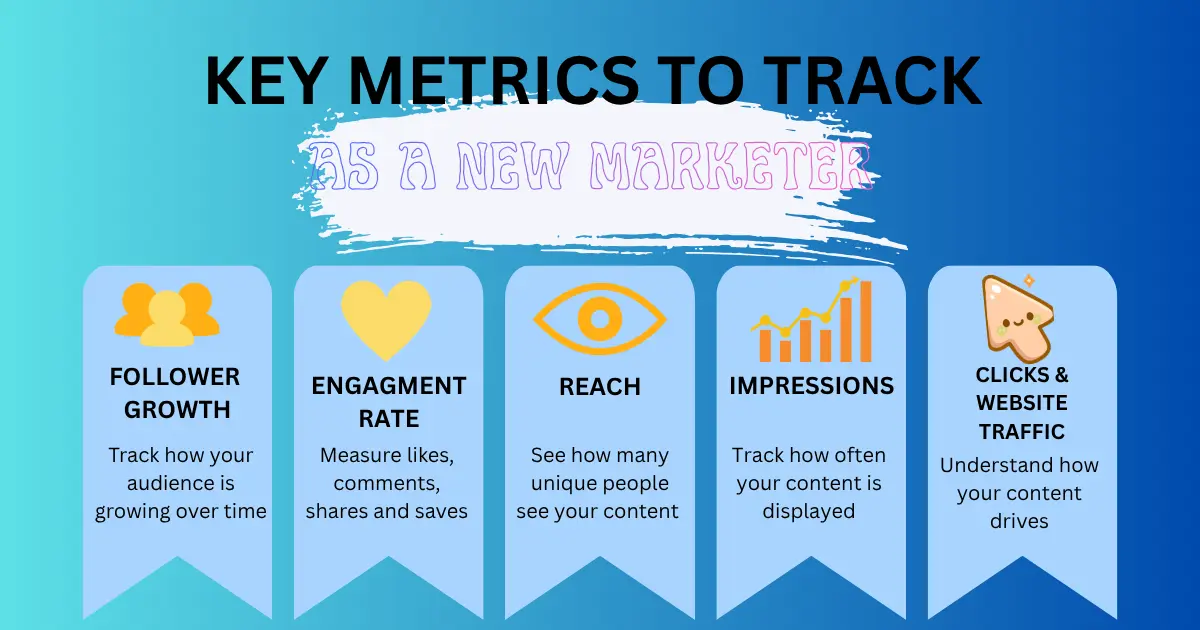
Social media platforms show many numbers, but beginners should focus on a few basics:
- Followers: How many people follow your account.
- Reach: How many people saw your post.
- Engagement: Likes, comments, shares, and saves.
- Click‑throughs: How many people clicked a link in your post.
- Conversions: Actions like sign‑ups or purchases.
Beginner tip: Start with followers, reach, and engagement. These are the foundation of growth.
Step 2: Use Built‑In Analytics Tools
Most platforms give free insights:
- Instagram Insights shows reach, impressions, and engagement.
- Facebook Page Insights tracks likes, shares, and demographics.
- Twitter Analytics highlights tweet performance.
- LinkedIn Analytics shows post views and follower growth.
Beginner tip: Check these dashboards weekly. Write down key numbers in a simple spreadsheet.
Step 3: Track Growth Over Time
One post doesn’t tell the full story. Growth is about trends.
- Compare this week’s numbers to last week’s.
- Look at monthly changes.
- Celebrate small wins, like a steady rise in engagement.
Example: If your Instagram followers grow from 100 to 120 in a month, that’s a 20% increase.
Step 4: Find Your Best Content
Analytics show which posts perform best.
- Did a carousel get more saves?
- Did a video get more shares?
- Did a quote post get more likes?
Beginner tip: Repeat what works. If videos get more engagement, make more videos.
Step 5: Understand Your Audience
Analytics also tells you about your followers.
- Age, gender, and location.
- When they are most active.
- What type of content they engage with.
Beginner tip: Post when your audience is online. If most followers are active at 7 PM, schedule posts for that time.
Step 6: Use Free Tools for Beginners
Beyond built‑in analytics, try free tools:
- Buffer – Tracks engagement and schedules posts.
- Hootsuite – Monitors multiple platforms.
- Google Analytics – Tracks clicks from social media to your website.
Beginner tip: Start with one tool. Don’t overwhelm yourself.
Step 7: Set Simple Goals
Analytics makes sense when tied to goals.
Examples of beginner goals:
- Gain 50 new followers in a month.
- Increase average engagement rate by 5%.
- Get 100 clicks to your website.
Beginner tip: Write down one goal per month. Track progress weekly.
Step 8: Learn From Mistakes
Not every post will succeed. That’s normal.
- If engagement is low, check if the post was too long or unclear.
- If reach is low, try posting at a different time.
- If clicks are low, improve your call‑to‑action.
Beginner tip: Treat mistakes as lessons, not failures.
Example Tracking Plan
Let’s say you’re a new marketer running an Instagram account.
- Goal: Grow followers by 100 in two months.
- Metrics to track: Followers, reach, engagement.
- Process:
- Check Instagram Insights weekly.
- Write numbers in a spreadsheet.
- Highlight top‑performing posts.
- Adjust content based on results.
This simple plan keeps you focused and motivated.
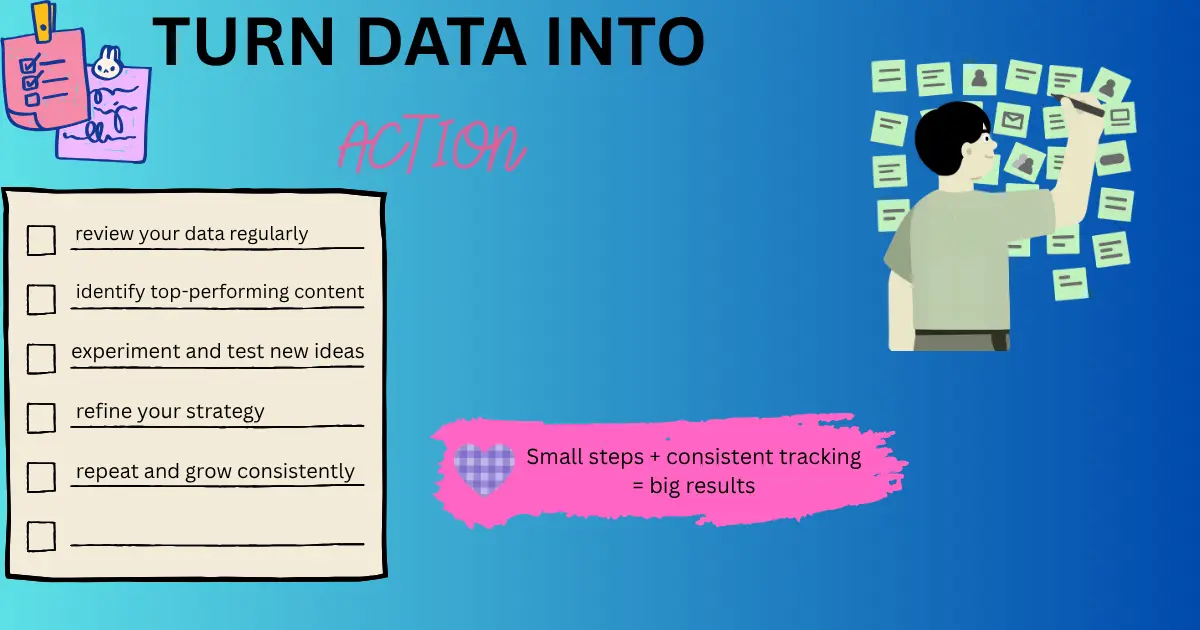
Social media analytics isn’t about complicated charts. It’s about understanding your audience and improving step by step.
As a new marketer, focus on:
- Tracking basic metrics.
- Using free tools.
- Learning from trends.
- Setting small, achievable goals.
With consistent tracking, you’ll see growth clearly. More importantly, you’ll learn how to create content that connects with people — and that’s the real power of social media marketing.
More from our blog
See all posts