
SEO Basics for Beginners: The Step-by-Step Guide to Ranking #1 on Google Fast
- May 26, 2026
- Uncategorized
Search Engine Optimization (SEO) often feels like a mysterious art reserved for tech experts, but the truth is: anyone can learn it. If you’re new to digital marketing, understanding seo basics for beginners is one of the most powerful skills you can develop. It helps your blog, website, or business get discovered by the right audience without spending a fortune on ads.
In this guide, we’ll break down SEO for beginners into simple, actionable steps. By the end, you’ll know how search engines work, how to optimize your content, and how to start ranking on Google.
What Is SEO and Why Does It Matter?
SEO stands for Search Engine Optimization — the process of improving your website so it appears higher in search engine results. When someone types “best coffee shop near me” into Google, SEO determines which websites show up first.
For beginners, the key takeaway is this: SEO helps you get free, organic traffic. Instead of paying for ads, you can attract visitors by making your content more relevant and useful to search engines and users.
Step 1: Understand How Search Engines Work
Search engines like Google use bots (called crawlers) to scan websites. They collect information and store it in an index. When someone searches, Google’s algorithm decides which pages are most relevant.
Three main factors influence rankings:
- Relevance: Does your content answer the searcher’s question?
- Authority: Is your website trustworthy and linked to by others?
- User Experience: Is your site fast, mobile-friendly, and easy to navigate?
Keywords like SEO basics, search engine optimization guide, and SEO for beginners are what connect your content to search queries.
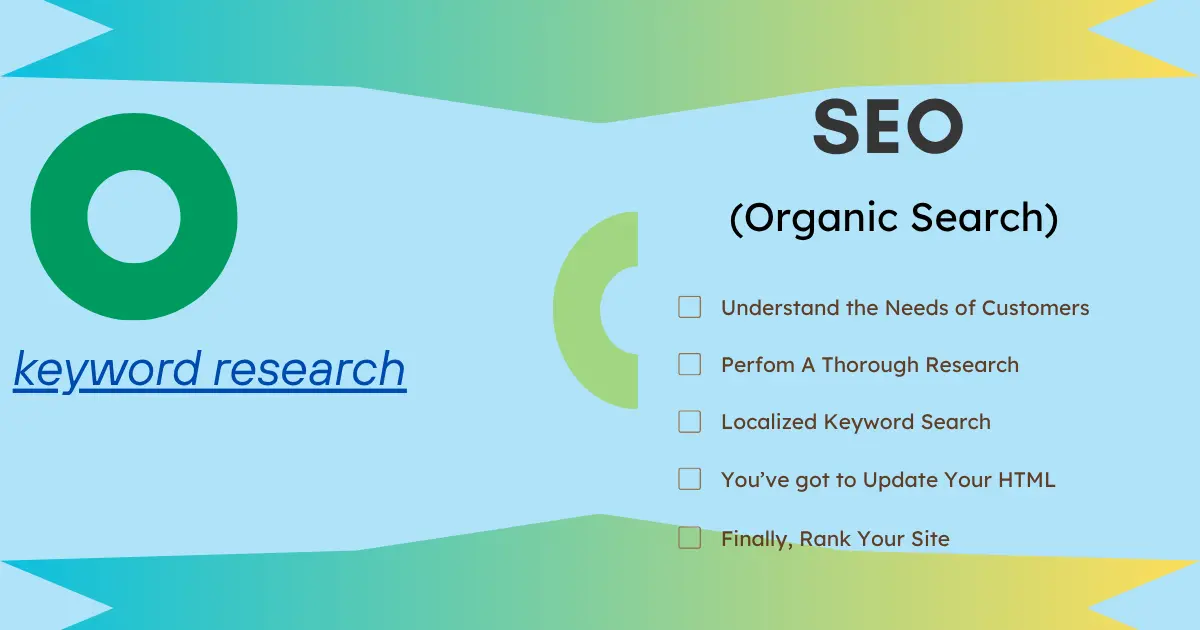
Step 2: Do Keyword Research
Keywords are the backbone of SEO. They’re the words and phrases people type into search engines.
For beginners:
- Use free tools like Google Keyword Planner, Ubersuggest, or AnswerThePublic.
- Look for long-tail keywords (specific phrases like “SEO basics for beginners” instead of just “SEO”).
- Focus on keywords with low competition but decent search volume.
Example: If you’re writing about SEO basics, target phrases like “SEO for beginners step-by-step” or “search engine optimization guide for new learners.”
Step 3: Optimize On-Page SEO
On-page SEO refers to everything you do on your website to make it search-friendly.
Key elements:
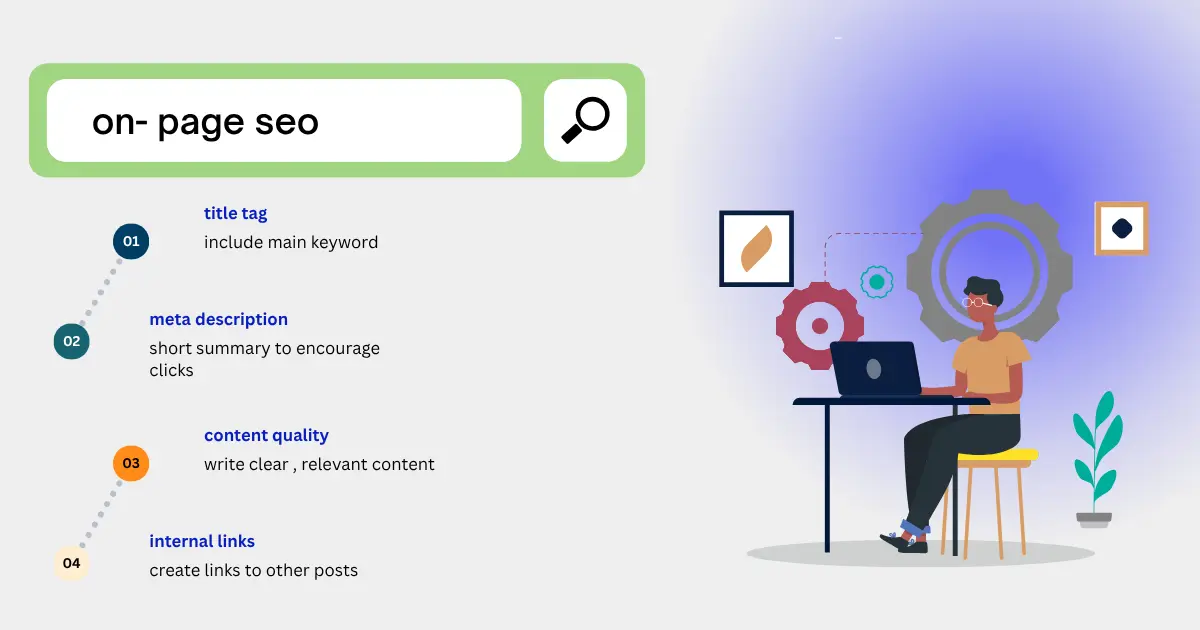
- Title Tags: Include your main keyword (e.g., “Step-by-Step Guide to SEO Basics for Beginners”).
- Meta Description: A short summary (150–160 characters) that encourages clicks. Example: “Learn SEO basics with this beginner-friendly guide. Step-by-step tips to rank higher on Google.”
- Headings (H1, H2, H3): Organize your content logically and insert keywords naturally.
- Content Quality: Write clear, helpful, and original content. Avoid keyword stuffing.
- Internal Links: Link to other posts on your blog to keep readers engaged.
- Image Alt Text: Describe images using keywords so search engines can understand them.
Step 4: Improve Technical SEO
Technical SEO ensures your site runs smoothly and is easy for search engines to crawl.
For beginners, focus on:
- Mobile-Friendliness: Most searches happen on mobile. Use responsive design.
- Site Speed: Compress images, use caching, and choose reliable hosting.
- Secure Website (HTTPS): Install an SSL certificate.
- XML Sitemap: Submit your sitemap to Google Search Console.
- Clean URLs: Use simple, keyword-rich URLs (e.g., growthstruck.com/seo-basics).
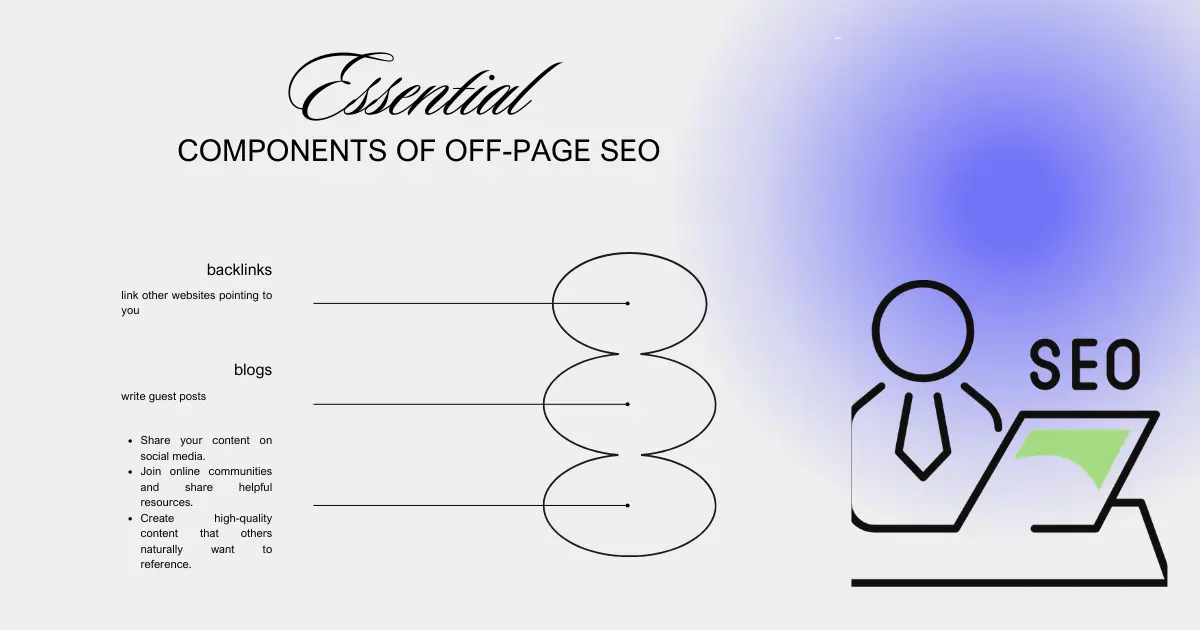
Step 5: Build Authority with Off-Page SEO
Off-page SEO is all about building credibility outside your website.
The most important factor is backlinks — links from other websites pointing to yours. Search engines see backlinks as votes of confidence.
Beginner-friendly ways to get backlinks:
- Write guest posts on other blogs.
- Share your content on social media.
- Join online communities and share helpful resources.
- Create high-quality content that others naturally want to reference
Step 6: Track Your Progress
SEO isn’t a one-time task; it’s an ongoing process. Use free tools to measure success:
- Google Analytics: Track traffic, bounce rate, and conversions.
- Google Search Console: Monitor keyword rankings and fix crawl errors.
- SEO Tools: Ubersuggest, SEMrush, or Ahrefs (some have free versions).
Check which keywords bring traffic, which pages rank, and where you can improve.
Step 7: Create an SEO-Friendly Content Strategy
Consistency is key. Beginners often make the mistake of writing one or two posts and expecting instant results. SEO takes time.
Tips for building a content strategy:
- Publish regularly (e.g., one blog per week).
- Target different long-tail keywords in each post.
- Update old content with fresh information.
- Focus on solving problems for your audience.
Example: If your readers are new to digital marketing, write posts like “How to Do Keyword Research for Beginners” or “Affordable SEO Tools for New Bloggers.”
Common SEO Mistakes Beginners Should Avoid
- Keyword Stuffing: Overusing keywords makes content unreadable.
- Ignoring Mobile Users: A non-mobile-friendly site will lose rankings.
- Skipping Meta Descriptions: They improve click-through rates.
- Expecting Instant Results: SEO takes weeks or months to show impact.
- Not Tracking Performance: Without data, you won’t know what works.
Final Thoughts
Learning SEO basics is like learning a new language — confusing at first, but empowering once you understand the rules. For beginners, the most important steps are:
- Research the right keywords.
- Optimize your content and website.
- Build authority with backlinks.
- Track progress and keep improving.
With patience and consistency, SEO can transform your blog or business. Remember, every expert once started as a beginner. Growthstruck is here to guide you through the journey, one step at a time.
More from our blog
See all posts