
Artificial Intelligence has transformed digital marketing faster than ever before. From generating blog posts to creating email campaigns and social media captions, AI writing tools have become an essential part of content creation. But one question continues to spark debate among marketers and business owners: AI Content vs Human Content—which is better for SEO in 2026?
The answer isn't as simple as choosing one over the other. Google's algorithms have evolved significantly, focusing more on quality, usefulness, and user experience rather than simply identifying whether AI or humans write content.
In this blog, we'll compare AI Content vs Human Content, explore how each affects SEO, discuss their strengths and weaknesses, and help you decide the best strategy for improving your search rankings in 2026.
What is AI Content?
AI content refers to articles, blogs, product descriptions, emails, or any written material generated using artificial intelligence tools such as ChatGPT, Claude, Gemini, or Jasper.
These tools use machine learning and natural language processing to understand prompts and generate content within seconds.
Advantages of AI Content
- Creates content quickly
- Saves time and effort
- Generates multiple ideas instantly
- Produces SEO-friendly outlines
- Helps overcome writer's block
- Cost-effective for large content projects
However, AI-generated content often requires editing before publication to ensure originality, accuracy, and readability.
What is Human Content?
Human content is written entirely by a person, drawing on their knowledge, creativity, experience, and understanding of the audience.
Unlike AI, human writers bring emotions, storytelling, opinions, and real-life examples that make content more engaging and trustworthy.
Advantages of Human Content
- Original insights
- Better storytelling
- Emotional connection
- Strong brand voice
- Real-world expertise
- Higher credibility
Although human writing usually takes longer, it often provides deeper value to readers.
AI Content vs Human Content: Key Differences
| Feature | AI Content | Human Content |
|---|---|---|
| Speed | Very Fast | Slower |
| Creativity | Moderate | High |
| Emotional Connection | Limited | Excellent |
| SEO Optimization | Good | Excellent with strategy |
| Research Accuracy | Needs verification | More reliable |
| Cost | Lower | Higher |
| Scalability | Excellent | Limited |
| Original Insights | Limited | Strong |
| Storytelling | Basic | Powerful |
Does Google Penalize AI Content?
One of the biggest misconceptions is that Google automatically penalizes AI-generated content.
The reality is different.
Google has repeatedly stated that it rewards helpful, original, and people-first content, regardless of whether it is created using AI or written by humans.
If AI-generated content is:
- Accurate
- Helpful
- Original
- Well-structured
- Useful to readers
Then it can rank just as well as human-written content.
However, if AI is used to mass-produce low-quality articles filled with repetitive information and keywords, rankings are likely to suffer.
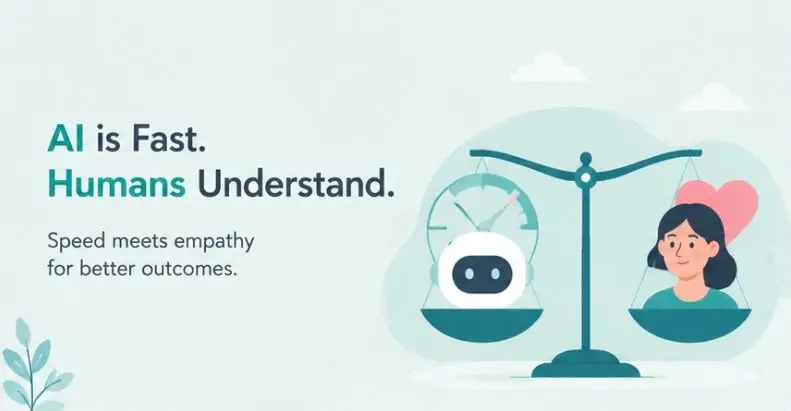
Which Performs Better for SEO?
When comparing AI Content vs Human Content, SEO performance depends more on quality than authorship.
Let's compare them across key SEO factors.
1. Content Quality
Google prioritizes content that answers user questions clearly.
Human writers usually provide:
- Better explanations
- Personal experiences
- Industry knowledge
- Practical examples
AI generates accurate summaries but often lacks unique perspectives.
Winner: Human Content
2. Keyword Optimization
AI tools are excellent at naturally placing keywords throughout an article.
They can generate:
- SEO titles
- Meta descriptions
- Headings
- FAQs
- Keyword variations
However, excessive reliance on AI can sometimes lead to keyword stuffing if not reviewed.
Winner: AI Content
3. User Engagement
Human writers naturally create engaging introductions, emotional stories, and relatable examples.
Readers are more likely to:
- Spend more time on the page
- Share the article
- Leave comments
- Return for more content
AI-generated articles can sometimes feel repetitive or robotic without editing.
Winner: Human Content
4. Content Production Speed
A 2,000-word blog may take a human writer several hours or even days.
AI can generate a first draft in just minutes.
For businesses publishing content regularly, this speed is a major advantage.
Winner: AI Content
5. E-E-A-T Signals
Google evaluates content based on:
- Experience
- Expertise
- Authoritativeness
- Trustworthiness
Human writers can demonstrate real-world experience through case studies, examples, and personal insights.
AI cannot genuinely claim personal experience.
Winner: Human Content
Where AI Content Works Best
AI content is ideal for:
- Product descriptions
- Blog outlines
- Meta descriptions
- FAQs
- Social media captions
- Email subject lines
- Content ideas
- First drafts
Using AI for these tasks significantly improves productivity.
Where Human Content Performs Better
Human writing remains essential for:
- Case studies
- Thought leadership
- Industry opinions
- Personal experiences
- Brand storytelling
- Technical guides
- Customer success stories
These types of content require originality and expertise that AI cannot fully replicate.
The Best SEO Strategy in 2026
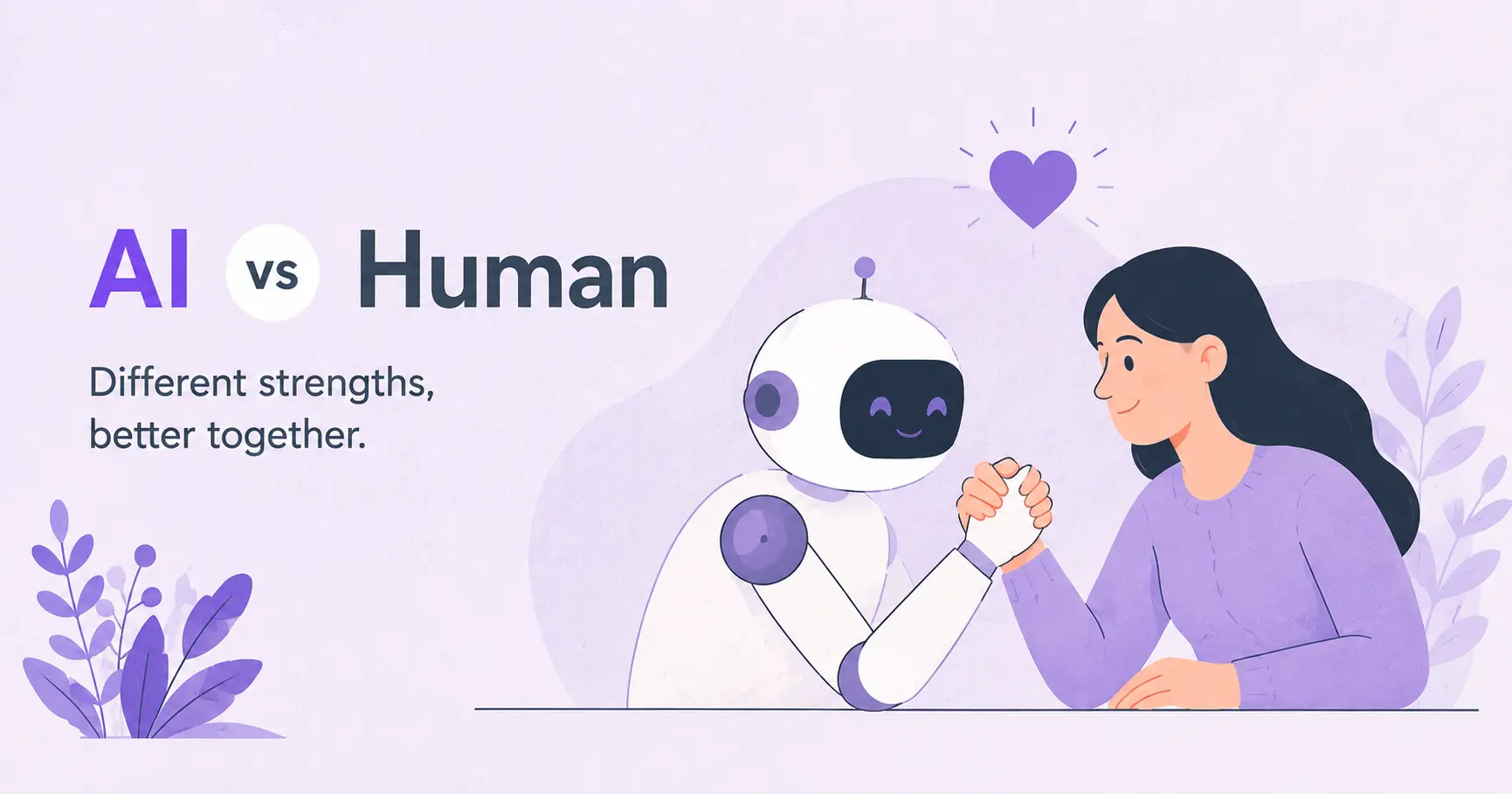
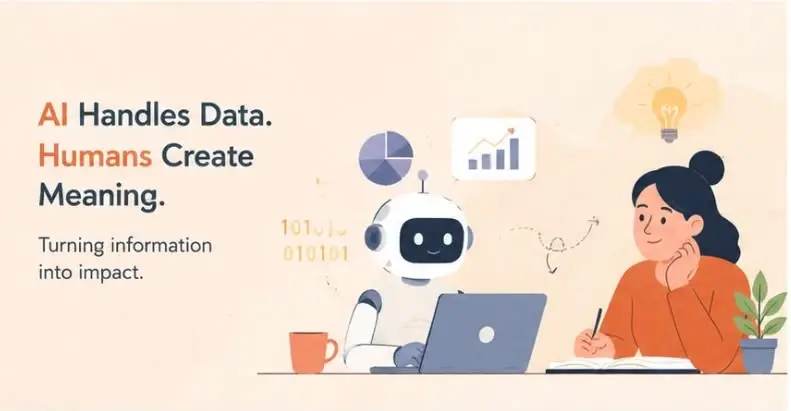
Instead of choosing between AI Content vs Human Content, successful marketers combine both.
A recommended workflow is:
Step 1
Use AI for:
- Keyword research
- Outline creation
- Draft generation
- Content planning
Step 2
Human editors should:
- Verify facts
- Add real examples
- Improve readability
- Include expert opinions
- Match the brand's tone
- Optimize for user intent
This hybrid approach delivers both efficiency and quality.
Common Mistakes to Avoid
Many websites struggle with SEO because they rely too heavily on AI.
Avoid these mistakes:
Publishing Without Editing
Always review AI-generated content before publishing.
Ignoring User Intent
Focus on solving readers' problems instead of simply targeting keywords.
Overusing Keywords
Natural keyword placement performs better than keyword stuffing.
Skipping Fact-Checking
AI can occasionally produce outdated or incorrect information.
Forgetting Brand Voice
Edit AI content to reflect your business's unique style and personality.
Tips to Make AI Content Rank Better
If you're using AI, follow these best practices:
- Add original research
- Include personal examples
- Use updated statistics
- Write compelling introductions
- Improve transitions between sections
- Add visuals and infographics
- Include FAQs
- Optimize internal linking
- Cite trustworthy sources when appropriate
- Regularly update older content
These improvements make AI-assisted content more valuable to both readers and search engines.
Future of SEO: AI and Humans Working Together
In 2026, SEO is no longer just about keywords. Search engines evaluate:
- User satisfaction
- Helpful information
- Search intent
- Content freshness
- Topical authority
- Trustworthiness
AI accelerates content creation, while humans ensure accuracy, originality, and credibility. Businesses that combine these strengths are better positioned to achieve sustainable search visibility.
So, AI Content vs Human Content—which is better for SEO in 2026?
The answer is both.
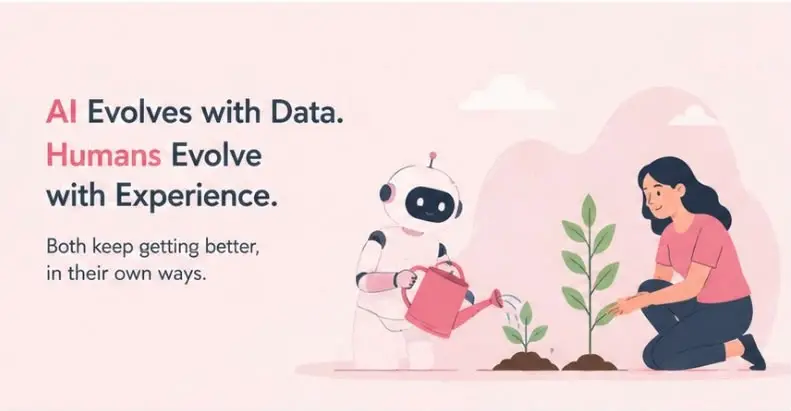
AI is excellent for increasing productivity, generating ideas, and creating SEO-friendly drafts. Human writers, however, provide creativity, expertise, emotional depth, and trust—qualities that search engines increasingly reward.
Rather than replacing human writers, AI should serve as a powerful assistant. The most successful SEO strategy is to use AI for efficiency and humans for refinement. This combination helps create content that ranks well, engages readers, and builds long-term authority.
As search algorithms continue to prioritize helpful, high-quality content, websites that blend AI's speed with human expertise will have the greatest advantage in 2026 and beyond.
More from our blog
See all posts